 by Printer Brands
 Label Tape
 Ink
Ink Toner
Toner Label Roll




 Ribbon













 Label Printers
 Office Supplies
 Other
Other

CMYK & RGB: Have you ever wondered why your vibrant digital photos look different when printed? If you’re in Singapore and passionate about photography or design, understanding the fundamental difference between CMYK and RGB color models is crucial for achieving professional printing results. This knowledge gap explains why what looks perfect on your screen might appear dull or off-color when printed. In this comprehensive guide, we’ll explore why photo printers use CMYK instead of RGB, how this affects your high-resolution printing projects, and what Singapore-based photographers and designers need to know to achieve optimal results.
Understanding Color Models: The Basics

RGB vs CMYK: Fundamentally different approaches to color reproduction
Before diving into why photo printers use CMYK, it’s essential to understand what these acronyms represent. RGB stands for Red, Green, and Blue—the primary colors of light. CMYK represents Cyan, Magenta, Yellow, and Key (black)—the standard inks used in printing processes. These two color models function in fundamentally different ways because they’re designed for different mediums.
RGB: The Additive Color Model
RGB is an additive color model, meaning it creates colors by adding light. Your computer monitor, smartphone, and digital camera all use RGB to display images. When all three colors combine at full intensity, they produce white light. This is why RGB is perfect for digital displays that emit light rather than reflect it.

RGB is additive: combining all colors creates white light
CMYK: The Subtractive Color Model
CMYK operates on a subtractive principle. Unlike screens that emit light, printed materials reflect light. CMYK inks work by absorbing (subtracting) certain wavelengths of light and reflecting others. When you combine all CMYK inks, they absorb most light, creating a dark color that approaches black (though not a true black, which is why “K” or black ink is necessary).

CMYK is subtractive: combining all colors creates a dark shade approaching black
Why Photo Printers Use CMYK Instead of RGB
The fundamental reason photo printers use CMYK instead of RGB comes down to the physical nature of printing. Let’s explore the key factors that make CMYK the standard for high-resolution printing in Singapore and worldwide.
Physical Limitations of Printing Technology
Printing is a physical process that applies colored inks to paper. Unlike digital displays that can emit light at various intensities, printers must recreate colors by applying different combinations of ink that reflect specific wavelengths of light. This fundamental difference in how colors are produced necessitates a different color model.

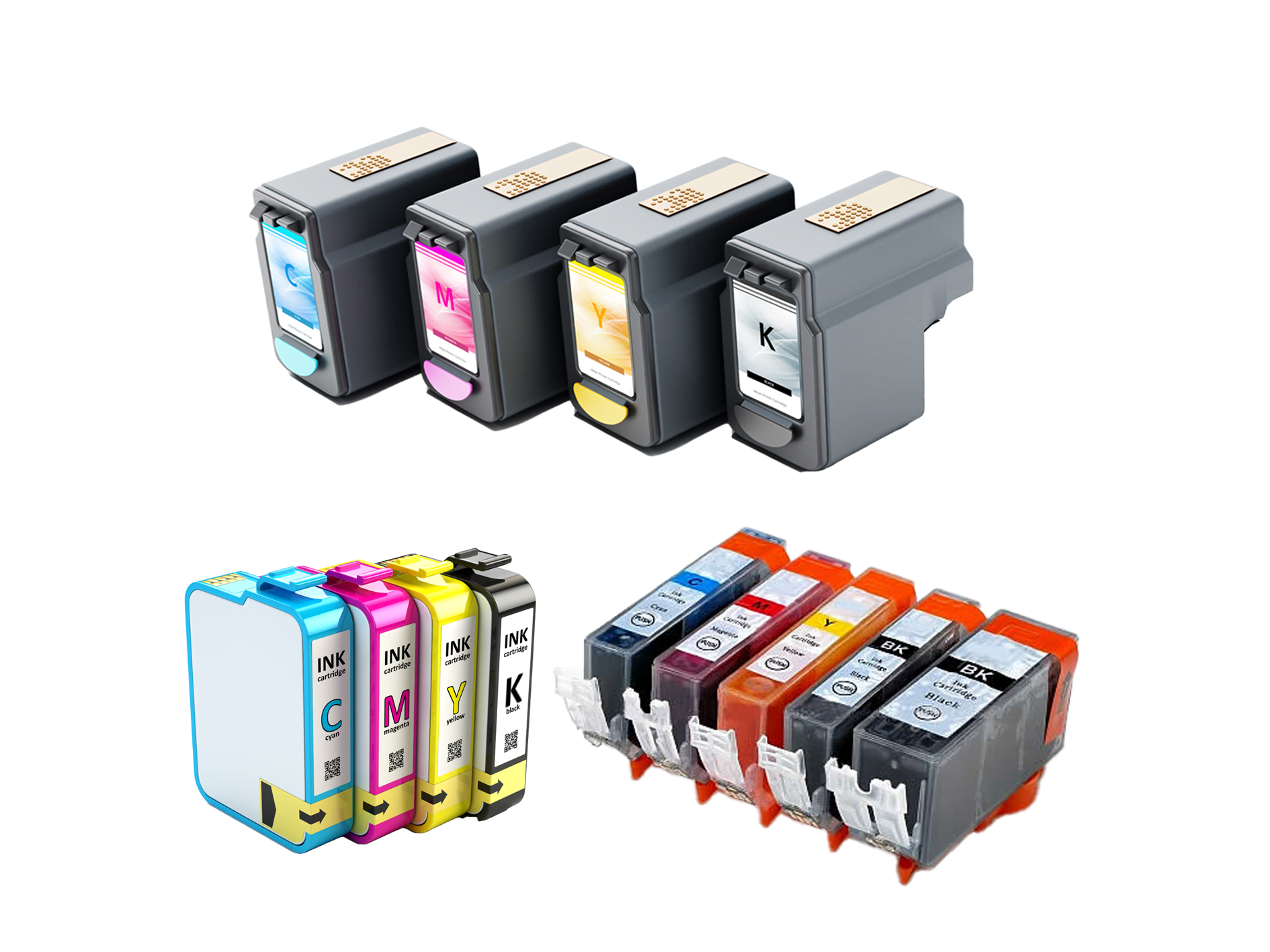
Professional photo printers use separate CMYK ink cartridges for optimal color reproduction
Color Gamut Differences
One of the most significant differences between RGB and CMYK is their color gamut—the range of colors each model can reproduce. RGB has a substantially larger color gamut than CMYK, which means many vibrant colors visible on your screen simply cannot be reproduced with CMYK inks.
RGB’s color gamut (larger) versus CMYK’s more limited range (smaller)
In Singapore’s humid climate, this gamut difference becomes even more important. The high humidity can affect how inks dry and appear on paper, making color accuracy even more challenging. Professional photo printing services in Singapore must carefully calibrate their equipment to account for these environmental factors.
Practical Necessity: You Can’t Print with Light
Perhaps the most fundamental reason for using CMYK is simply practical: you cannot print with light. RGB works by emitting different colored light, but printers cannot emit light—they can only apply inks that reflect certain wavelengths of light. CMYK provides the most efficient and effective way to reproduce a wide range of colors using just four inks.
The CMYK Printing Process Explained
Understanding how CMYK actually works in photo printers helps explain why it’s the industry standard for high-resolution printing. Modern photo printers in Singapore use sophisticated techniques to create the illusion of continuous tone using just four ink colors.
Halftoning and Dithering
Since printers can’t vary the intensity of a single ink droplet, they use techniques called halftoning and dithering to create the appearance of different color intensities. These methods place dots of different sizes or patterns to trick the eye into seeing various shades and colors.

Magnified view of halftone patterns showing how CMYK creates continuous tone illusion
Color Separation
When you send a digital image to a photo printer, the printer’s software must first convert the RGB data to CMYK. This process, called color separation, analyzes each pixel of your image and determines the appropriate combination of cyan, magenta, yellow, and black inks needed to reproduce that color as accurately as possible within the CMYK gamut.
Color separation: Converting RGB image data into separate CMYK channels for printing
Modern Inkjet Technology
High-end photo printers in Singapore often use more than just the basic CMYK inks. Many professional models incorporate light cyan, light magenta, and additional colors to expand the printable gamut and create smoother gradients. These advanced systems still operate on CMYK principles but add refinements to overcome some of the traditional limitations.

Professional photo printers often use expanded ink sets beyond basic CMYK for superior results
Need Expert Advice on Photo Printing in Singapore?
Understanding color models is just the first step. Get personalized recommendations from Singapore’s printing experts to achieve the best results for your photography projects.
Find Expert Printing ServicesRGB to CMYK Conversion: The Critical Step
The conversion from RGB to CMYK is where many printing disappointments originate. This transformation is not straightforward and can significantly impact your final printed results, especially for high-resolution printing projects in Singapore.
Color Shifts During Conversion
When converting from RGB to CMYK, certain colors shift more dramatically than others. Vibrant blues and greens in RGB often appear duller in CMYK. Bright oranges and deep purples may also change noticeably. Understanding these shifts is crucial for photographers and designers in Singapore who want predictable results.
Notice how vibrant blues and greens in RGB (left) appear duller after CMYK conversion (right)
Color Management Systems
Professional photo printers and design studios in Singapore use color management systems to predict and control these conversions. These systems use color profiles—mathematical models that describe how colors should translate between different devices and color spaces.

Color management workflow ensuring consistency from capture to print
Soft Proofing: Previewing CMYK Before Printing
Soft proofing is a technique that simulates how your image will look when printed using CMYK inks. Most professional photo editing software includes soft proofing features that let you preview these color shifts before sending your file to a printer, saving time and resources.
Soft proofing in photo editing software helps predict how images will look when printed
Special Considerations for Photo Printing in Singapore
Singapore’s climate and printing industry have unique characteristics that affect how CMYK printing performs. Understanding these factors can help you achieve better results with your photography printing projects.
Humidity and Paper Considerations
Singapore’s high humidity affects both paper and how inks dry. Paper absorbs moisture from the air, which can cause it to expand slightly and affect color absorption. Professional photo printers in Singapore often use climate-controlled environments and specialized papers designed for tropical climates.

Climate-controlled environments help Singapore print shops maintain consistent quality
Local Printing Standards and Calibration
Many professional printing services in Singapore calibrate their equipment to local standards that account for viewing conditions typical in Southeast Asia. These calibrations may differ slightly from international standards to compensate for the region’s specific lighting conditions and display environments.
Common Printing Issues in Singapore
- Color shifts due to high humidity affecting ink absorption
- Paper expansion in tropical climate affecting registration
- Faster ink fading due to higher UV exposure
- Challenges maintaining consistent color in varying lighting conditions
Solutions for Better Results
- Use climate-controlled printing services
- Select papers specifically rated for tropical environments
- Request UV-resistant inks for longer print life
- Work with printers who use Singapore-specific color profiles
Finding Quality Photo Printing Services in Singapore
Singapore has numerous high-quality photo printing services that understand the nuances of CMYK printing in local conditions. The best services offer color management expertise, use calibrated equipment, and can advise on paper selection for different projects.

Professional printing services in Singapore offer expert guidance on achieving optimal results
How to Optimize Your Images for CMYK Printing
Now that you understand why photo printers use CMYK instead of RGB, let’s explore practical steps to optimize your images for the best possible printed results in Singapore.
Editing with Printing in Mind
When editing photos intended for printing, consider the limitations of CMYK from the start. Avoid pushing colors beyond what CMYK can reproduce, especially in the blue and green ranges. Instead, focus on contrast, sharpness, and tonal balance, which translate well to print.
Editing with CMYK limitations in mind helps achieve better printed results
Color Profiles and Settings
Using the correct color profiles is essential for predictable results. For Singapore printing, consider using region-specific profiles when available, or standard profiles like “Coated FOGRA39” for coated papers and “Uncoated FOGRA29” for uncoated papers.
| Paper Type | Recommended Color Profile | Best For |
| Glossy Photo Paper | Coated FOGRA39 (ISO 12647-2:2004) | Vibrant photos, portfolios |
| Matte Photo Paper | Coated FOGRA39 or Japan Color 2001 Coated | Art reproductions, less reflective displays |
| Fine Art Paper | Uncoated FOGRA29 (ISO 12647-2:2004) | Gallery prints, archival photographs |
| Canvas | US Web Coated (SWOP) v2 | Large format, textured reproductions |
Resolution and File Preparation
For high-resolution printing in Singapore, prepare your files at 300 DPI (dots per inch) for optimal quality. Convert your images to CMYK before submitting them to a printing service, unless they specifically request RGB files for their own conversion process.

Proper file preparation ensures optimal quality for CMYK printing
Best Practices for CMYK Printing
- Convert to CMYK early in your workflow
- Use soft proofing to preview color shifts
- Maintain 300 DPI resolution for photo printing
- Save in lossless formats like TIFF or PDF
- Embed color profiles in your files
Common CMYK Printing Mistakes
- Editing in RGB and converting at the last minute
- Ignoring gamut warnings during editing
- Using low-resolution images (below 300 DPI)
- Saving in lossy formats like JPEG
- Failing to communicate with your printer about profiles
The Future of Color in Photo Printing
While CMYK remains the standard for photo printers, technology continues to evolve. Understanding these developments can help Singapore photographers and designers prepare for future printing possibilities.
Expanded Gamut Printing
Many professional photo printers now use expanded gamut systems that add orange, green, violet, or other inks to the basic CMYK set. These systems can reproduce a wider range of colors, closing the gap between what you see on screen and what you get in print.

Expanded gamut systems add inks beyond CMYK to reproduce a wider color range
Digital Printing Technologies
Digital printing technologies continue to advance, with higher resolutions, faster speeds, and better color reproduction. In Singapore, where the printing industry embraces technological innovation, these advancements are making high-quality photo printing more accessible and affordable.

Advanced digital printing technology is making high-quality photo printing more accessible
RGB Direct Printing: The Exception to the Rule
Some specialized photo printers now use RGB-based systems that attempt to more directly translate what you see on screen to print. These systems are still rare and expensive but represent an interesting development in the industry.

Specialized RGB-based printing systems attempt to bridge the gap between screen and print
Ready to Get Perfect Photo Prints in Singapore?
Now that you understand the science behind CMYK printing, work with Singapore’s top printing professionals to bring your images to life with accurate colors and stunning detail.
Find Professional Photo Printing ServicesFrequently Asked Questions About CMYK Printing
Why do my prints look darker than they do on screen?
This common issue occurs because screens emit light (RGB) while prints reflect light (CMYK). Additionally, screens are typically brighter than the ambient light in which prints are viewed. Professional photo printers in Singapore often recommend increasing brightness by 10-15% when preparing images for print to compensate for this difference.
Should I convert my photos to CMYK before sending them to a printing service?
It depends on the printing service. Many professional photo printing services in Singapore prefer to receive RGB files and handle the conversion themselves using their calibrated systems. Always check with your printer first. If you do convert to CMYK yourself, use the specific profile recommended by your printing service.
How can I ensure color accuracy when printing photos in Singapore?
For the best color accuracy: 1) Use a calibrated monitor, 2) Soft proof your images using appropriate CMYK profiles, 3) Choose a reputable printing service that uses color management, 4) Consider ordering a test print before large print runs, and 5) Discuss your color expectations with your printer, as they can often make adjustments to match your vision.
What paper types work best for CMYK photo printing in Singapore’s climate?
In Singapore’s humid climate, consider papers specifically designed for tropical environments. Resin-coated (RC) papers resist humidity better than fiber-based papers. For long-term display, look for papers with UV protection and consider framing prints under glass with UV filtering. Many professional printing services in Singapore offer climate-appropriate paper recommendations based on your specific needs.
Can home photo printers produce professional CMYK results?
Modern high-end home photo printers can produce excellent results, though they typically use more than just CMYK inks. Many use 6-12 ink systems to achieve wider color gamuts. For professional results with a home printer in Singapore, invest in printer profiling, use high-quality papers, and keep your printer in a climate-controlled environment to combat humidity issues.
Conclusion: Embracing the CMYK Reality for Better Prints
Understanding why photo printers use CMYK instead of RGB is essential for anyone serious about photography or design in Singapore. While the limitations of CMYK can initially seem frustrating, knowing how to work within these constraints allows you to achieve predictable, high-quality printed results.
The key takeaways from this guide include:
- CMYK is used in printing because it works with reflected light rather than emitted light
- The CMYK gamut is smaller than RGB, requiring careful color management
- Singapore’s climate creates unique challenges for photo printing that require special consideration
- Proper file preparation and understanding color profiles leads to better printed results
- Working with professional printing services that understand these principles will yield the best outcomes
By embracing these realities and learning to work effectively with CMYK, photographers and designers in Singapore can bridge the gap between what they see on screen and what they achieve in print, resulting in beautiful, accurate, and consistent printed photographs.

Visit InkWorld.sg and learn more about printing, supplies and recommendations.