 by Printer Brands
 Label Tape
 Ink
Ink Toner
Toner Label Roll




 Ribbon













 Label Printers
 Office Supplies
 Other
Other
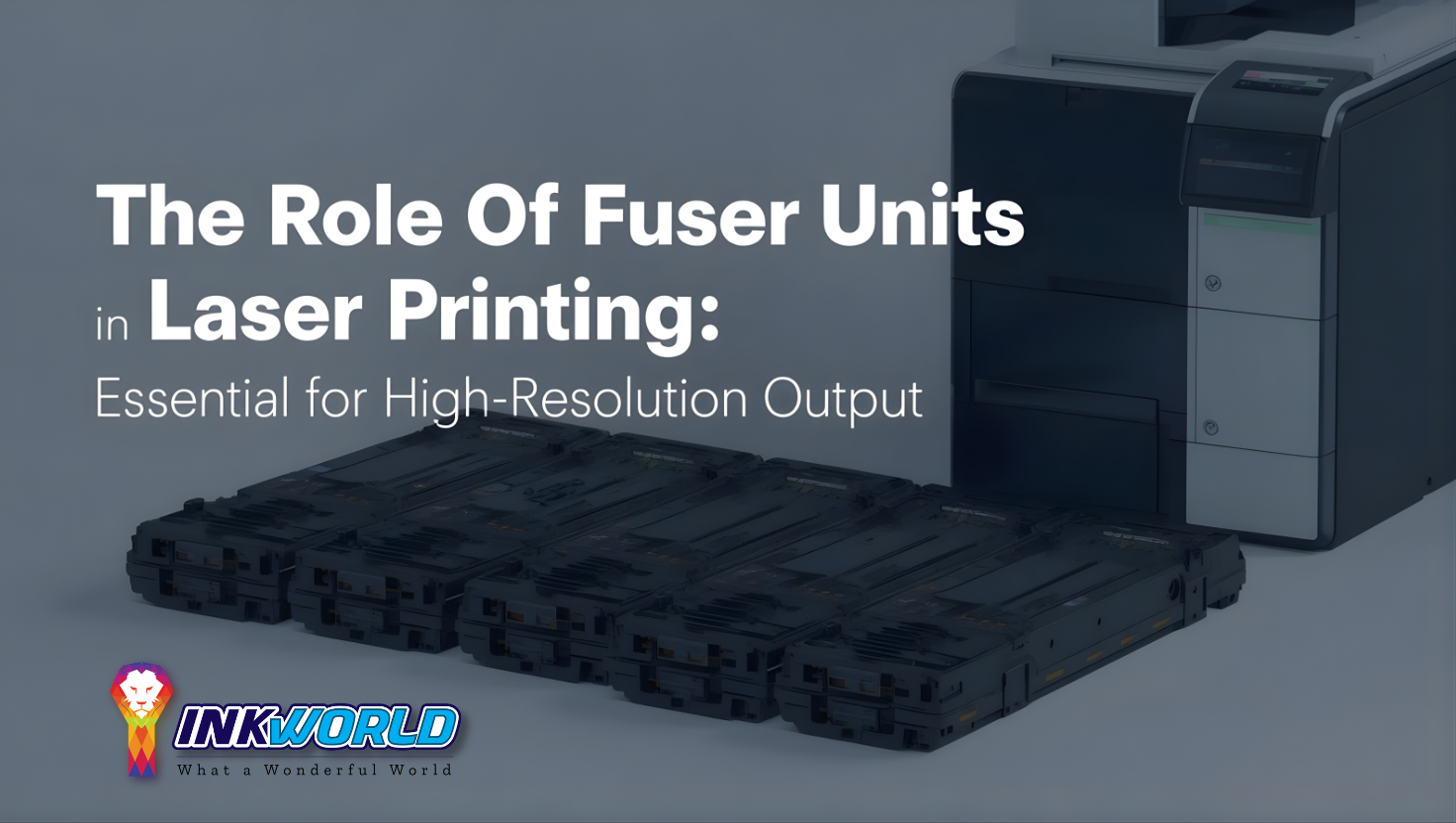
When it comes to producing stunning photographs and crisp documents with laser printers, one component stands above the rest in importance: the fuser unit. This critical element transforms loose toner particles into permanent, high-quality images. For photography enthusiasts and businesses in Singapore seeking professional print quality, understanding how fuser units work can make all the difference between mediocre and exceptional results.
In the humid climate of Singapore, where printing equipment faces unique challenges, knowing how to maintain and optimize your printer’s fuser unit becomes even more crucial for achieving consistent, gallery-worthy prints.
What Are Fuser Units in Laser Printing?

The two main components of a fuser unit: heated roller (top) and pressure roller (bottom)
A fuser unit is a vital component in laser printers responsible for the final and perhaps most critical step in the printing process. After the printer uses static electricity to place toner powder onto the paper in the desired pattern, the fuser unit permanently bonds this toner to the page.
The fuser consists of two primary components: a heated roller (or fuser roller) and a pressure roller. Working together, these rollers apply both heat and pressure to melt the toner particles and press them firmly into the paper fibers. This process transforms what would otherwise be loose powder into a durable, smudge-resistant image.
For high-resolution printing, especially important for photography, the fuser unit must maintain precise temperature control and even pressure distribution to ensure toner particles melt uniformly across the entire page.
How Fuser Units Work in the Printing Process

The laser printing process involves several steps, with the fuser unit playing its crucial role at the end of the sequence:
- The printer’s photosensitive drum receives a negative charge
- A laser beam “draws” the image by neutralizing parts of the drum
- Negatively charged toner particles stick to the neutralized areas
- The toner transfers from the drum to the paper
- The paper passes through the fuser unit, where heat (up to 200°C) and pressure permanently bond the toner to the paper
The heated roller in the fuser unit typically contains a halogen lamp or heating element that maintains temperatures between 150-200°C (302-392°F). The pressure roller, usually coated with heat-resistant silicone rubber, presses the paper against the heated roller with precise force.
Modern laser printers include sophisticated temperature control systems that monitor and adjust fuser heat in real-time, ensuring optimal melting regardless of environmental conditions—particularly important in Singapore’s humid climate.
Importance of Fuser Units for High-Resolution Photo Printing

For photography printing and high-resolution output, the fuser unit’s performance directly impacts several quality factors:
- Color Vibrancy: Properly fused toner creates more vibrant, saturated colors essential for photo reproduction
- Image Sharpness: Even fuser pressure ensures toner particles are precisely placed, maintaining fine details
- Texture Consistency: Uniform heat application prevents glossy spots or uneven finish on photo prints
- Print Durability: Complete fusing ensures images resist smudging and fading over time
- Detail Preservation: Proper fusing maintains the integrity of fine lines and subtle gradients in photographs
Ready to Upgrade Your Photo Printing Experience?
Discover professional-grade photo printers with advanced fuser technology that deliver gallery-quality prints every time.
Explore Professional Photo Printers in SingaporeKey Components of a Laser Printer Fuser Unit
Heated Roller
The primary roller that reaches temperatures of 150-200°C. Usually made of aluminum with a non-stick Teflon coating to prevent toner adhesion. In high-end photo printers, this roller often features specialized coatings for more even heat distribution.
Pressure Roller
The complementary roller that presses paper against the heated roller. Typically coated with silicone rubber for heat resistance and proper pressure application. Quality photo printers use precision-engineered pressure rollers for consistent contact.
Heating Element
The internal component that generates heat within the fuser roller. May be a halogen lamp or ceramic heating element. Professional-grade printers often feature rapid-heating elements for faster warm-up times and more precise temperature control.
Thermistor
Temperature sensor that monitors fuser heat levels. Signals the printer to adjust power to the heating element as needed. High-resolution printing requires precise temperature control for optimal toner melting.
Thermostat
Safety device that prevents overheating by cutting power if temperature exceeds safe limits. Protects both the printer and your valuable photo paper from heat damage.
Fuser Film/Sleeve
In some designs, a thin film surrounds the heating element instead of a solid roller. Allows for faster heating and more energy-efficient operation, particularly important for eco-conscious Singapore businesses.
Special Considerations for Fuser Units in Singapore’s Climate

Humidity Challenges
Singapore’s high humidity (averaging 80-90%) creates unique challenges for laser printer fusers:
- Moisture can affect paper quality before it reaches the fuser
- Condensation may form on cooler fuser components during startup
- Higher energy consumption as fusers work harder to reach optimal temperatures
- Potential for uneven heating in extremely humid conditions
Temperature Management
Effective strategies for Singapore’s environment include:
- Using dehumidifiers in areas where printers are stored and operated
- Allowing longer warm-up times for fusers to reach stable temperatures
- Storing paper in climate-controlled environments before printing
- Scheduling more frequent maintenance checks for fuser components
- Using specialized cleaning materials designed for tropical climates
For professional photo printing in Singapore, consider models with adaptive fuser technology that automatically adjusts to ambient conditions.
Many Singapore businesses find expert printer maintenance services essential for keeping fuser units in optimal condition despite challenging climate factors.
Maintaining Fuser Units for Optimal Photo Print Quality
Regular Maintenance Schedule
| Maintenance Task | Frequency | Importance for Photo Quality | Tools Required |
| Clean fuser rollers | Every 5,000 prints | Critical – prevents smudging and uneven finish | Lint-free cloth, isopropyl alcohol |
| Inspect thermistor | Every 10,000 prints | High – ensures proper temperature for toner melting | Cotton swabs, compressed air |
| Check pressure roller | Every 15,000 prints | High – maintains even pressure for consistent finish | Visual inspection only |
| Replace fuser unit | 75,000-300,000 prints (model dependent) | Essential – prevents degradation of print quality | New OEM fuser unit, service manual |
Safety Warning: Always ensure the printer is powered off and the fuser unit has completely cooled before attempting any maintenance. Fuser units can reach temperatures exceeding 200°C during operation and can cause severe burns if handled while hot.
Signs Your Fuser Unit Needs Attention

Common print defects indicating fuser problems
For photography enthusiasts and businesses relying on high-quality prints, recognizing early signs of fuser issues is crucial. Watch for these indicators:
- Smudged Images: Toner that easily smears or rubs off indicates incomplete fusing
- Wrinkled Paper: Excessive heat or pressure from worn fuser components
- Ghosting: Faint repeated images appearing on the page
- Uneven Glossiness: Particularly noticeable in photo prints with large dark areas
- Vertical Lines: Gray streaks indicating worn fuser film or damaged rollers
- Paper Jams: Frequent jams in the fuser area suggest mechanical issues
- Unusual Noises: Grinding or squeaking during printing often indicates worn fuser gears or bearings
For professional photo printing, even minor fuser issues can significantly impact image quality. If you notice any of these symptoms, consider consulting with a printer technician specialized in high-resolution output devices.
Choosing Photo Printers with Superior Fuser Technology

When selecting a laser printer for high-resolution photography printing in Singapore, pay special attention to these fuser-related features:
Instant-On Technology
Modern fusers with rapid heating capabilities reduce warm-up time and energy consumption—particularly valuable in Singapore’s warm climate where printers may need to work harder to maintain optimal temperatures.
Consistent Heat Distribution
Look for printers advertising “uniform fusing technology” or “precision temperature control.” These features ensure even toner melting across the entire page—critical for photo prints with large dark or color-saturated areas.
Humidity Adaptation
Some premium printer models include environmental sensors that automatically adjust fuser temperature and pressure based on ambient humidity—an essential feature for Singapore’s climate conditions.
Frequently Asked Questions About Fuser Units in Laser Printing
How long do fuser units typically last in Singapore’s climate?
In Singapore’s humid environment, fuser units may have a slightly shorter lifespan compared to cooler, drier climates. While manufacturers typically rate fusers for 75,000 to 300,000 pages (depending on the printer model), the high humidity can accelerate wear on components. For printers used in air-conditioned environments, expect performance closer to manufacturer specifications. For printers in non-climate-controlled spaces, consider scheduling maintenance checks at 75% of the manufacturer’s recommended interval.
Can I replace a fuser unit myself or should I call a technician?
While fuser replacement is technically possible for experienced users, it’s generally recommended to have a qualified technician perform this service, especially for high-end photo printers. Fusers operate at extremely high temperatures and improper installation can pose safety risks and damage your printer. Additionally, in Singapore’s market, many printer suppliers offer maintenance services that include fuser replacement as part of their service packages.
How do fuser units affect the cost per page for photo printing?
Fuser units contribute to the overall cost per page in two ways: their replacement cost (amortized over their lifespan) and their energy consumption. For high-quality photo printing, fusers typically operate at higher temperatures, which increases energy usage. In Singapore, where electricity costs are relatively high, this can be a consideration for high-volume printing operations. Premium printers with more efficient fuser technologies may have higher upfront costs but lower long-term operating expenses.
Are laser printer fusers suitable for all types of photo paper?
Not all photo papers are compatible with laser printers. The high heat from fuser units can damage papers designed specifically for inkjet printers. For laser printing, look specifically for “laser-compatible” or “laser-safe” photo paper. These papers have special coatings designed to withstand the heat and pressure of the fuser process while still providing the glossy or semi-gloss finish expected for photographs. In Singapore, specialty paper suppliers like Cathay Photo and SUN East carry appropriate options.
Conclusion: The Critical Role of Fuser Units in Quality Printing

The fuser unit, though often overlooked, stands as one of the most critical components in laser printing technology. For photography enthusiasts and businesses in Singapore seeking exceptional print quality, understanding and maintaining this essential element can make the difference between ordinary documents and truly professional results.
In Singapore’s unique climate, where humidity presents additional challenges for printing equipment, proper fuser maintenance becomes even more important. Regular care not only extends the life of your printer but ensures consistent, high-quality output for all your photographic and business printing needs.
Whether you’re producing gallery-worthy photographs, marketing materials, or important business documents, the humble fuser unit silently determines the durability, appearance, and overall quality of every page your laser printer produces.
Ready to Experience Professional Photo Quality?
Discover the latest laser printers with advanced fuser technology designed specifically for high-resolution photography printing in Singapore’s climate.
Explore Professional Photo Printers Today